
Embarking on a renovation project demands strategic planning, especially regarding the sequence in which walls, ceilings, and flooring are renovated. This order profoundly influences efficiency, costs, and the ultimate aesthetics of your space. Recognizing the significance of this sequence and the factors guiding it is pivotal for a successful renovation endeavor. By comprehending the optimal order and its implications, you pave the way for a smoother, more cost-effective, and visually appealing refurbishment journey. In this guide, we delve into the critical aspects of renovation sequencing, empowering you to make informed decisions and achieve your renovation goals seamlessly.
Proper Renovation Sequence
In any renovation project, the sequence in which tasks are undertaken is paramount to its success. From preserving structural integrity to optimizing efficiency and ensuring safety compliance, each step influences the project’s outcome. This section explores the importance of a proper restoration sequence in achieving desired results efficiently and effectively.
Ceiling
Commencing the renovation process with the ceiling is a prudent strategy, as it mitigates the risk of damage to newly finished walls or floors caused by falling debris or tools during ceiling repairs or painting. By addressing the ceiling first, contractors can conduct necessary repairs or installations without compromising the integrity of subsequent renovation stages. This approach ensures a smoother workflow and minimizes the likelihood of costly rework due to accidental damage incurred during later phases of the project.
 Walls
Walls
 Walls
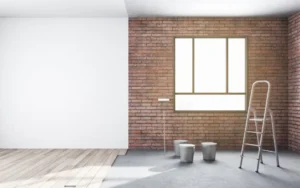
WallsFollowing the completion of ceiling renovations, the focus shifts to the walls. This phase encompasses structural changes, electrical work, and painting. Renovating the walls before tackling the flooring ensures that any accidental spills or marks won’t jeopardize the pristine condition of newly installed floors. By prioritizing wall refurbishment in the sequence, homeowners can maintain the integrity of their flooring materials and minimize the need for additional cleanup or repairs.
Flooring
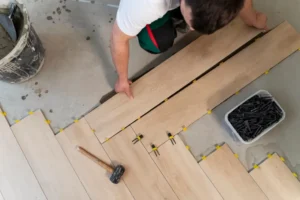
Concluding the renovation sequence with flooring installation is a strategic decision aimed at preserving the newly renovated surfaces. By delaying flooring installation until after ceiling and wall refurbishment are complete, homeowners safeguard their floors against potential damage or dirt accumulation from other activities. This final step ensures that the floors remain pristine and unblemished, allowing homeowners to fully appreciate the transformative effects of their restoration efforts without concerns about damage or the need for extensive cleaning.
Factors To Consider Before Deciding The Sequence
Before embarking on a renovation project, careful consideration of the sequence of tasks is crucial. Several factors must be weighed to determine the optimal order of operations. This section delves into key considerations such as structural needs, safety requirements, budget constraints, and project timelines that influence the renovation sequence.
Type of Renovation
The nature of the renovation project plays a pivotal role in determining the sequence of renovation steps. For instance, if the primary focus is on floor replacement while other aspects of the space remain intact, it makes sense to address the floors first. By prioritizing the area undergoing the most substantial refurbishment, contractors can streamline the process and minimize disruptions to the overall project timeline.
Structural Integrity
Assessing the structural integrity of the property is paramount and can significantly influence the renovation sequence. If structural issues are identified during the initial assessment, prioritizing these repairs early in the process is essential to ensure the stability and safety of the building. Addressing structural concerns promptly can prevent further damage and allow subsequent restoration steps to proceed smoothly without compromising the integrity of the structure.
Access to Utilities
Consideration of access to utilities, such as electrical wiring or plumbing, can impact the sequence. In situations where utilities are located within floors or ceilings, addressing these areas earlier in the process may be necessary to facilitate necessary repairs or upgrades. By ensuring that utilities are accessible and functional, homeowners can avoid potential disruptions and delays during later stages of the project.
Personal Preference
Personal schedules and preferences also play a significant role in determining the sequence of renovation steps. Homeowners may have specific preferences or constraints that influence when certain restorations are undertaken. For example, if individuals prefer to have their kitchen renovated before the holiday season to accommodate gatherings, they may prioritize kitchen renovations over other areas of the home. By aligning the sequence with personal preferences, homeowners can ensure that the project unfolds in a manner that suits their lifestyle and priorities.
Conclusion
The sequence of renovating ceilings, walls, and flooring transcends mere preference; it’s a strategic choice shaping the entire project. Factors such as renovation type, structural integrity, utility accessibility, and personal preference influence this decision. Prioritizing safety and efficiency, a well-considered sequence ensures optimal outcomes. Thus, a meticulously crafted plan becomes the cornerstone of every successful renovation, ensuring not just aesthetic appeal but also functionality and longevity.


